Small-scale farmers in Moldova struggle to get their products into supermarkets
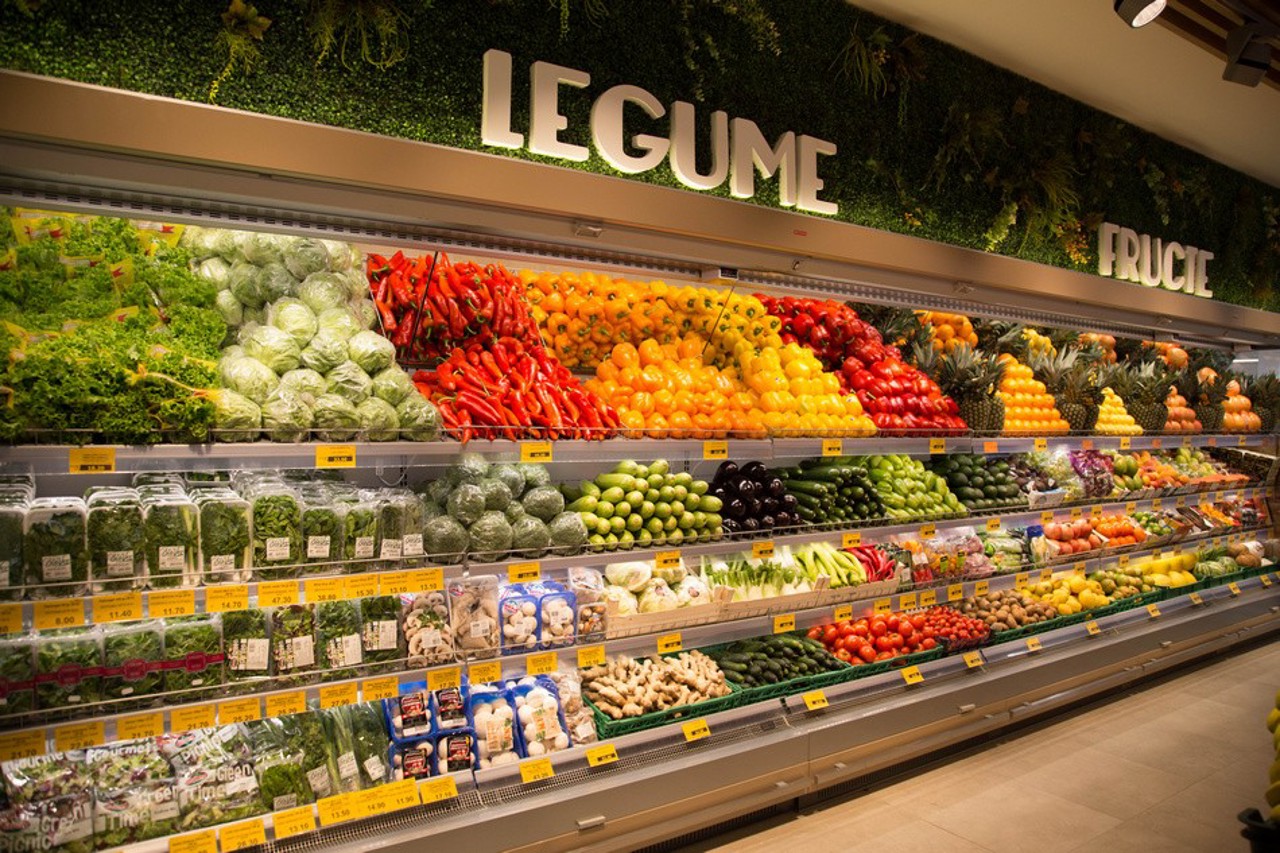
Small production volumes and difficulties in ensuring regular deliveries limit small-scale farmers’ access to major retail chains in the Republic of Moldova. By forming cooperatives or producer groups, farmers could strengthen their bargaining power with supermarkets and find better opportunities to sell their harvests.
Also, to take advantage of the opportunities offered by the European Union market, producers must meet certification requirements, says Carolina Chiper, Director of the Agricultural and Rural Advisory Center.
Access to the domestic market remains a challenge for farmers who work on small plots of land and, on their own, lack sufficient quantities to secure contracts with large retail chains. One solution would be the collective marketing of produce, which would allow farmers to ensure larger volumes and a consistent supply.
"As for the local market—yes, it is a problem; we are well aware of it. In my view, cooperation would greatly help farmers here. If small-scale farmers were to cooperate—whether through producer groups or agricultural cooperatives—they would be in a much better position to enter retail chains," stated Carolina Chiper on the program "Banii" on Moldova 1.
According to the expert, large retail chains require partners who can deliver products over extended periods. For small-scale agricultural holdings, meeting these conditions individually is difficult; however, pooling the output from several farms could make it easier to secure such contracts. "When you are small-scale and your production output is very low, your sales capacity is also extremely weak. However, by joining forces—whether through a group or a cooperative—you can aggregate your efforts to achieve a sufficient volume to enter the market and begin negotiating the sale of your products," explained the director of the Agricultural and Rural Advisory Center.
Certification: A challenge for exports to the EU
Another opportunity for Moldovan farmers lies in expanding sales to the European market. Yet, capitalizing on these export prospects depends on the producers' ability to obtain the necessary certifications—a process that requires preparation and specialized support.
"Most importantly, we in the Republic of Moldova must make a concerted effort to significantly enhance farmers' capacity to obtain certification. This is essential for them to become eligible for such exports and to take full advantage of the market quotas granted to the Republic of Moldova," said Carolina Chiper.
Industry associations are also involved in this process, assisting farmers as they navigate the steps required to secure export certificates. According to the director, strengthening these capabilities would enable producers to better leverage their access to foreign markets. Marketing difficulties are emerging against a backdrop of growth in the Republic of Moldova’s agricultural production in 2025. According to data from the National Bureau of Statistics, total agricultural output increased by 15.9% compared to the previous year, while crop production rose by 24.3%.